People no longer rely on word of mouth alone when they need healthcare. They search Google for clinics, doctors, treatments and answers to health questions. Your website needs to appear when people make these searches.
But ranking higher takes more than adding a few keywords to a page. Google looks at the quality of your content, website structure, page experience, local presence and trust signals.
This is where SEO for healthcare can help. A strong strategy connects your website with the people who need your services. It also helps Google understand what your website offers and which searches match your pages.
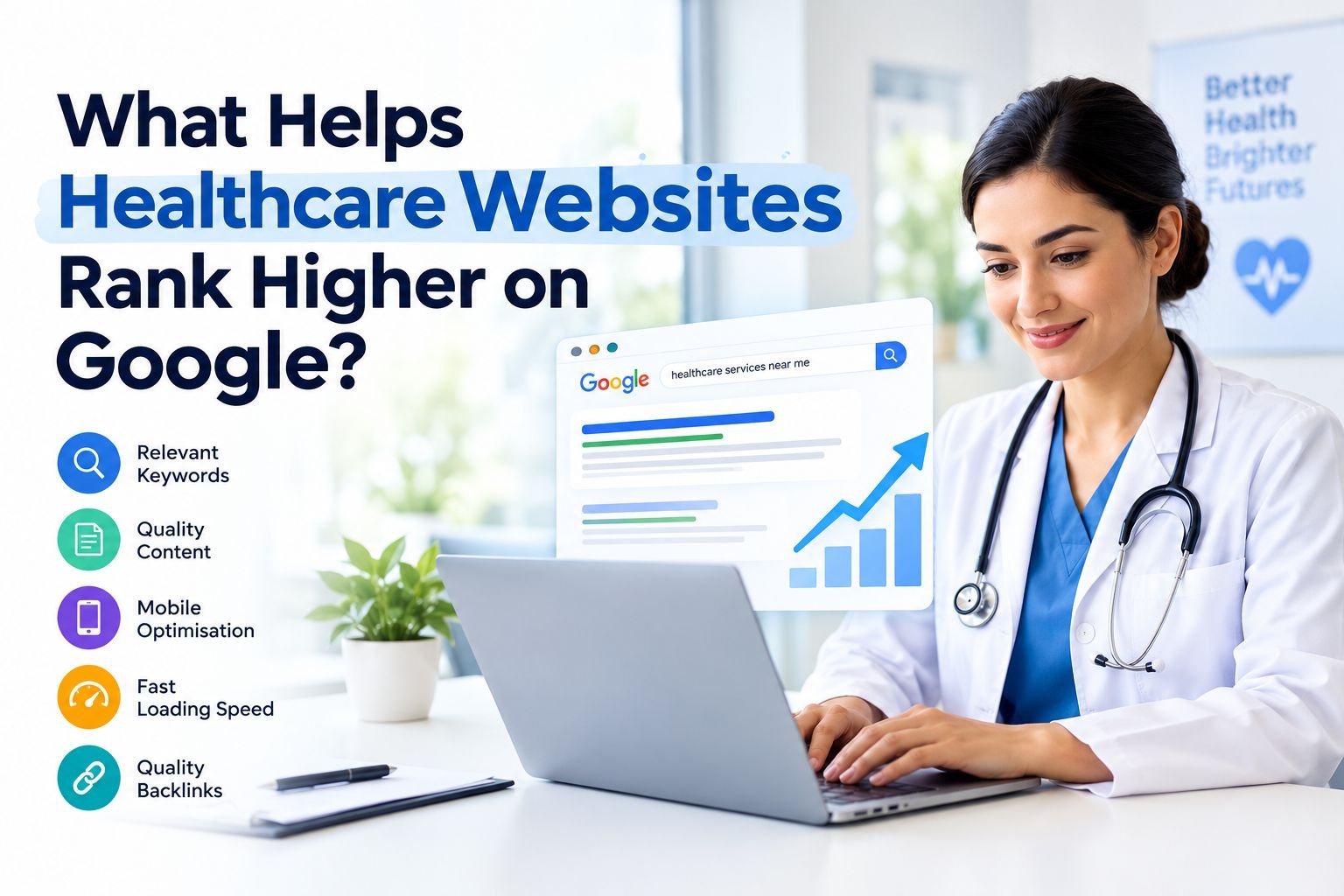
So, what helps a healthcare website rank higher on Google? Let us look at the key factors.
Create Content That Answers Patient Questions
Healthcare searches often start with a question.
Someone may search for “How does physiotherapy help back pain?” Another person may search for “What happens during a dental implant treatment?” These searches show that people want clear answers before they choose a provider.
Your website should meet this need with useful content.
Create pages and articles that explain:
- Common health concerns
- Treatment options
- Service details
- What patients can expect
- Common questions
- When someone should seek professional help
Keep your language simple and avoid complex medical terms when a plain word works better. Good content should leave the reader with a clear answer to their question. It should not feel like a sales pitch from the first line.
This approach forms a strong base for SEO for healthcare because useful content gives Google a clear reason to rank your pages.
Build Trust Through Clear Information
Healthcare websites need strong trust signals. People want to know who provides the service and whether they can rely on the information they read.
Your website should make this clear. Add information about your healthcare professionals, their qualifications, experience and areas of practice. Include clinic details, contact information and service information that visitors can understand.
You can also add:
- Professional registrations
- Relevant memberships
- Author information
- Patient reviews
- Trusted health references
- Clear business details
Healthcare content requires medical reviews whenever new information emerges. Patients face confusion because medical data which has become outdated creates trust problems with their healthcare providers. The design of healthcare websites needs to create an atmosphere which allows users to access trustworthy medical information instead of presenting content that exists purely to generate website traffic.
Make Every Service Page Useful
A common problem on healthcare websites is the use of one large service page. It may list ten or more services without giving enough detail about any of them.
Give important services their own pages.
For example, a dental clinic may create separate pages for:
- Dental implants
- Teeth whitening
- Emergency dentistry
- Root canal treatment
- Children’s dentistry
Each page should explain what the service involves, who may need it and what patients can expect.
Use clear headings so readers can scan the page with ease. Add relevant internal links to related services or helpful articles. A clear service structure supports SEO for healthcare services because Google can understand the purpose of each page.
Improve Your Local Search Presence
Healthcare businesses often serve a specific town, suburb or region. People may search for a service near their home or workplace.
For example, they may search for “dentist in Melbourne” or “physiotherapist near me”. This makes local SEO for healthcare an important part of your search strategy.
Start with your Google Business Profile. Make sure your business name, address, phone number, website and opening hours match your website.
Your location pages should also give useful local information. The areas which you serve need explanation together with specific information that enables patients to assess if your clinic meets their requirements.
Do not repeat the same city name across every sentence. Write for people first and use location terms where they fit. Strong local signals can help your business appear in local results and map searches.
Keep Your Website Fast and Easy to Use
A slow website can frustrate visitors. A confusing website can make them leave before they find your service.
Your healthcare website should make each step simple.
Check that:
- Pages load within a reasonable time
- Menus are easy to understand
- Text works well on mobile screens
- Buttons stand out
- Contact details are easy to find
- Booking forms do not create extra steps
Google also considers page experience when assessing websites.
A smooth website supports SEO services for healthcare because visitors can find information without facing technical barriers.
Use Keywords With Care
Keywords are important for Google to understand what your pages are about. But you should never force keywords into your content. Instead, place your keywords in natural locations within your content, such as the page titles, the main headings, the introduction and the relevant subheadings of your pages.
You can also use related terms that help explain the topic.
For example, a physiotherapy page may cover:
- Sports injuries
- Muscle pain
- Rehabilitation
- Movement problems
- Treatment plans
Use related terms to provide additional context to the content on the page without having to include the main keyword phrase in every paragraph.
Content for SEO in the healthcare industry should be focused on presenting clear content that satisfies the search intents of the users. The keywords used should support the message being presented in the content.
Strengthen Your Website Structure
Google needs to crawl and understand your website before it can rank your pages.
A clear site structure helps search engines find your important content.
Your website should have:
- Simple URLs
- Logical navigation
- Working internal links
- An XML sitemap
- Secure HTTPS
- Mobile-friendly pages
- No broken links
Internal links can also guide visitors from one page to another.
For example, a blog about back pain could link to a physiotherapy service page. The service page could link to related treatment information. This creates a clear path for both visitors and search engines.
Earn Links From Relevant Websites
Links from other trusted websites can support your search visibility.
Healthcare businesses can earn relevant links through professional organisations, local directories, industry websites, community groups and useful resources.
Focus on relevance and quality.
A link from a trusted healthcare website or local organisation may offer more value than several links from unrelated sites.
Avoid link schemes and poor-quality directories. A strong link profile should grow from useful information and genuine business relationships.
Keep Your Healthcare Content Fresh
Healthcare information can change. Services, staff details, opening hours and treatment guidance may need updates.
Review your important pages and check that the information still matches your business.
Look at:
- Service details
- Staff profiles
- Contact information
- Opening hours
- Prices
- Treatment information
- Internal and external links
Fresh content also gives you a chance to improve pages that no longer answer patient questions well.
A regular content review can help your website stay useful and competitive.
Encourage Genuine Patient Reviews
Reviews can shape how people view a healthcare provider before they book an appointment.
Ask genuine patients to share their experience when suitable. Keep your responses polite, helpful and professional.
Reviews can also support local visibility by giving search engines more information about your business and the people you serve.
Never create fake reviews or encourage misleading feedback. Healthcare depends on trust, so your online reputation should reflect real patient experiences.
Choose the Right SEO Partner
Healthcare SEO needs a focused approach. Your website needs to attract search traffic while keeping its content clear, accurate and useful.
An experienced SEO agency for healthcare can review your website and create a plan around your services, audience and location.
A good provider can help with content, technical improvements, local visibility, keyword research, internal linking and performance tracking.
You should select an agency which understands both healthcare website development and your target audience requirements. Providers who promise immediate rank increases together with first-place guarantee results should be avoided.
The right partner should explain what they plan to improve and show how their work supports your business goals.
Consider Long-Term Search Growth
SEO does not deliver lasting results through one quick change. Your website needs regular attention.
A strong plan may include:
- New service content
- Helpful blog posts
- Technical checks
- Local listing updates
- Internal linking
- Content reviews
- Search performance tracking
This work can help your website build stronger visibility over time.
For businesses with limited budgets, affordable healthcare SEO services can provide a practical starting point. The focus should remain on useful work that supports your most important services.
Use New Search Trends With Care
Search behaviour keeps changing. People now use different tools and search methods to find healthcare information.
This makes AI SEO for healthcare part of the wider search discussion. Healthcare businesses should focus on clear information, strong structure and reliable sources so search systems can understand their content.
The same basic rule still applies: write useful information for real people.
Technology may change how people search, but clear answers, trusted information and a good website remain important.
Track What Works
SEO becomes easier to manage when you track the right results. Do not focus only on rankings. Look at the wider picture.
Track:
- Organic traffic
- Search impressions
- Click-through rates
- Service page visits
- Local search visibility
- Enquiries
- Appointment bookings
These numbers can show which pages attract visitors and which areas need more work.
For example, a service page may receive many impressions but few clicks. This may show that the title or description needs improvement.
Conclusion
A healthcare website needs more than an attractive design to rank higher on Google. It needs useful content, clear service pages, strong trust signals, local visibility and a website that people can use with ease.
A strong SEO for healthcare strategy brings these areas together. It helps Google understand your website and helps patients find useful answers.
Focus on the needs of your audience. Make your pages clear, keep the information fresh, build trust and make each step simple. With a steady amount of work, you will be able to create a healthcare website that has strong search visibility and that will reach a lot of people who need your services.
FAQs
How long does healthcare SEO take to show results?
Most healthcare websites need time to build search visibility. Results can vary based on competition, website quality, content, location and current rankings. Regular improvements can create stronger results over time.
Why is local SEO important for healthcare businesses?
Local SEO allows healthcare businesses to target those seeking health services within their geographic area. Having a strong local SEO presence will allow your healthcare business to appear in Google search and map results for potential patients within your community.
What should a healthcare website include for better SEO?
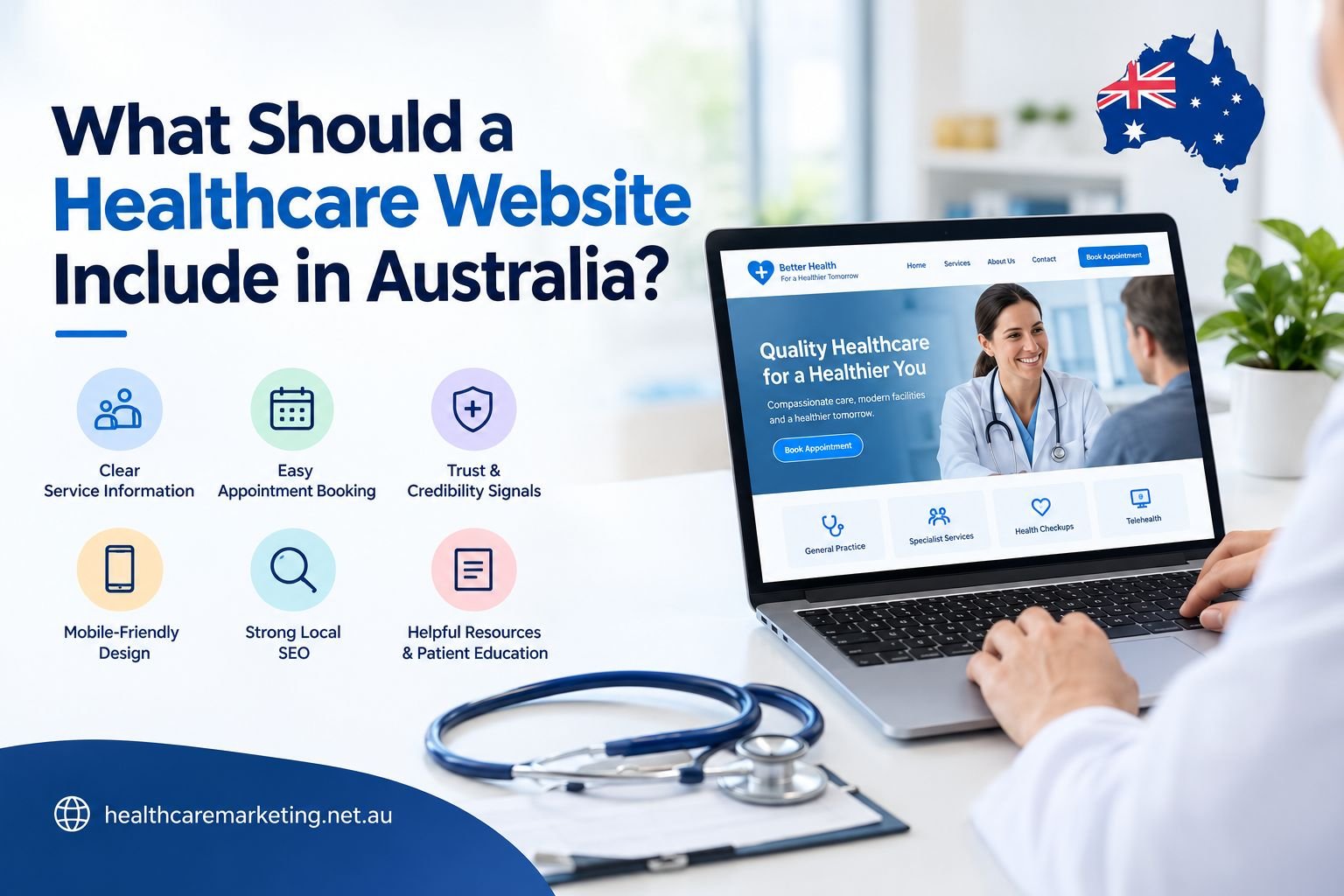
To improve the SEO of your healthcare website, it should include pages describing your services, your contact and location details, trustworthy information about health services, profiles of your professionals, internal links to relevant pages on your website, a mobile-friendly design and content that addresses common questions patients might have.
Can healthcare SEO help increase patient enquiries?
Yes, strong healthcare SEO can help attract people who already search for your services. Better visibility, useful content and clear booking paths can guide relevant visitors towards enquiries and appointments.