Healthcare has changed. Patients no longer rely on referrals or word of mouth alone when they need medical care. Many people search online to find a nearby clinic, compare healthcare services, check opening hours and learn about treatment options.
This shift makes digital marketing for healthcare providers an important part of business growth. A strong online presence helps patients find your practice and understand the services you offer. It also helps you build trust before they make an appointment.
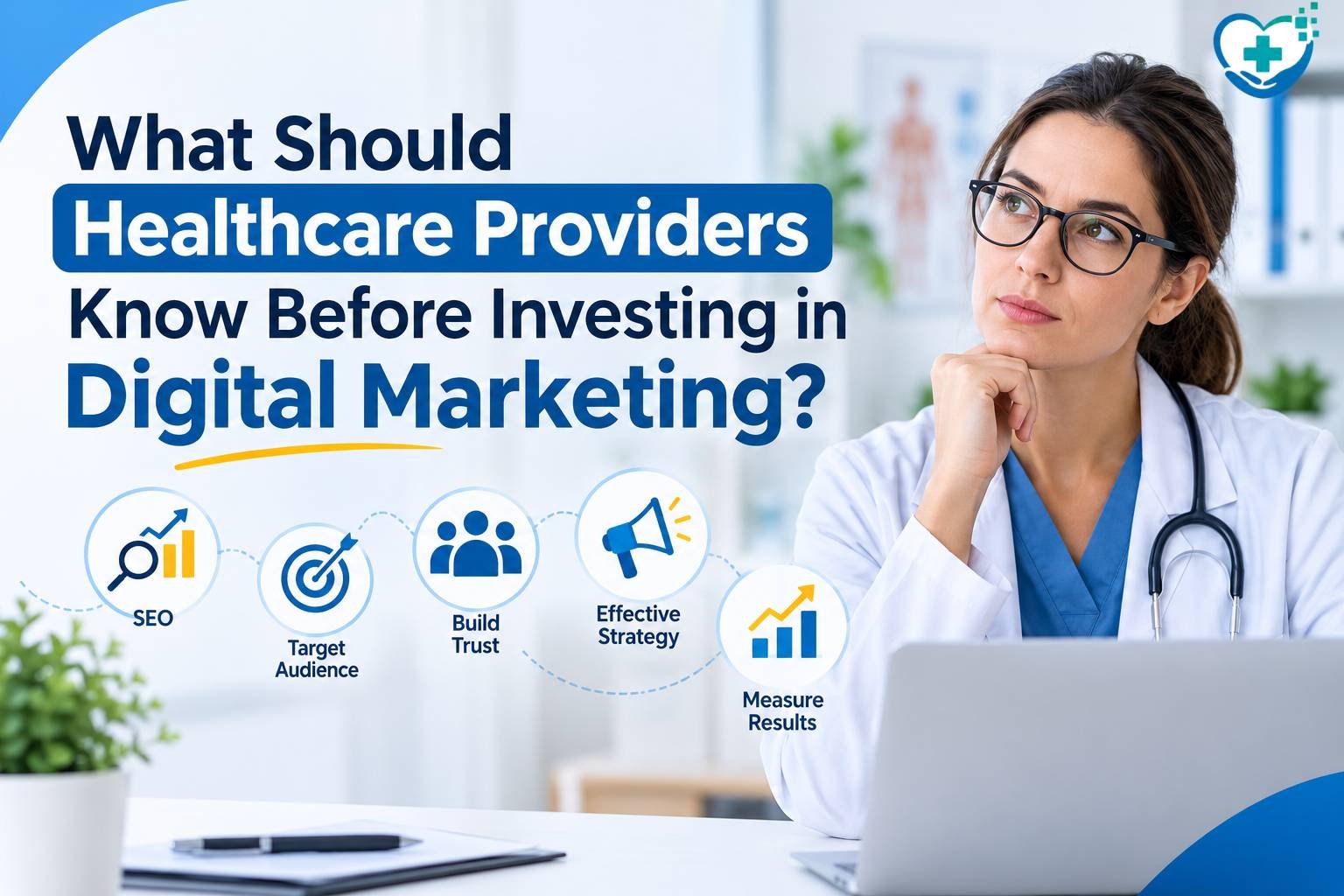
But investing in digital marketing needs more than a website or a few social media posts. You need a clear plan, the right channels and content that follows healthcare advertising rules. Before you spend your budget, here are the key things every healthcare provider should understand.
Let’s look at the key things you should know before getting started.
Know What You Want to Achieve Before Spending Money
Before starting healthcare digital marketing, it is important to think about what you want to achieve. Every healthcare business has different needs. A dental clinic may want to increase the number of bookings it receives each week, while a medical centre may want to increase its reach in new suburbs around its location.
Your goals will help you choose the right marketing plan.
Start by asking yourself:
- Do you want more patient enquiries?
- Do you want to reach people in nearby areas?
- Do you want more visitors to your website?
- Are you planning to promote a new healthcare service?
- Do you want more people to know about your clinic?
Once you have clear goals, you can choose the right services and set a budget. This also helps you check whether your marketing work brings value to your practice.
Build a Website That Makes Patients Feel Confident
Your website often creates the first impression of your healthcare practice. A slow, confusing or outdated website can make visitors leave before they learn about your services.
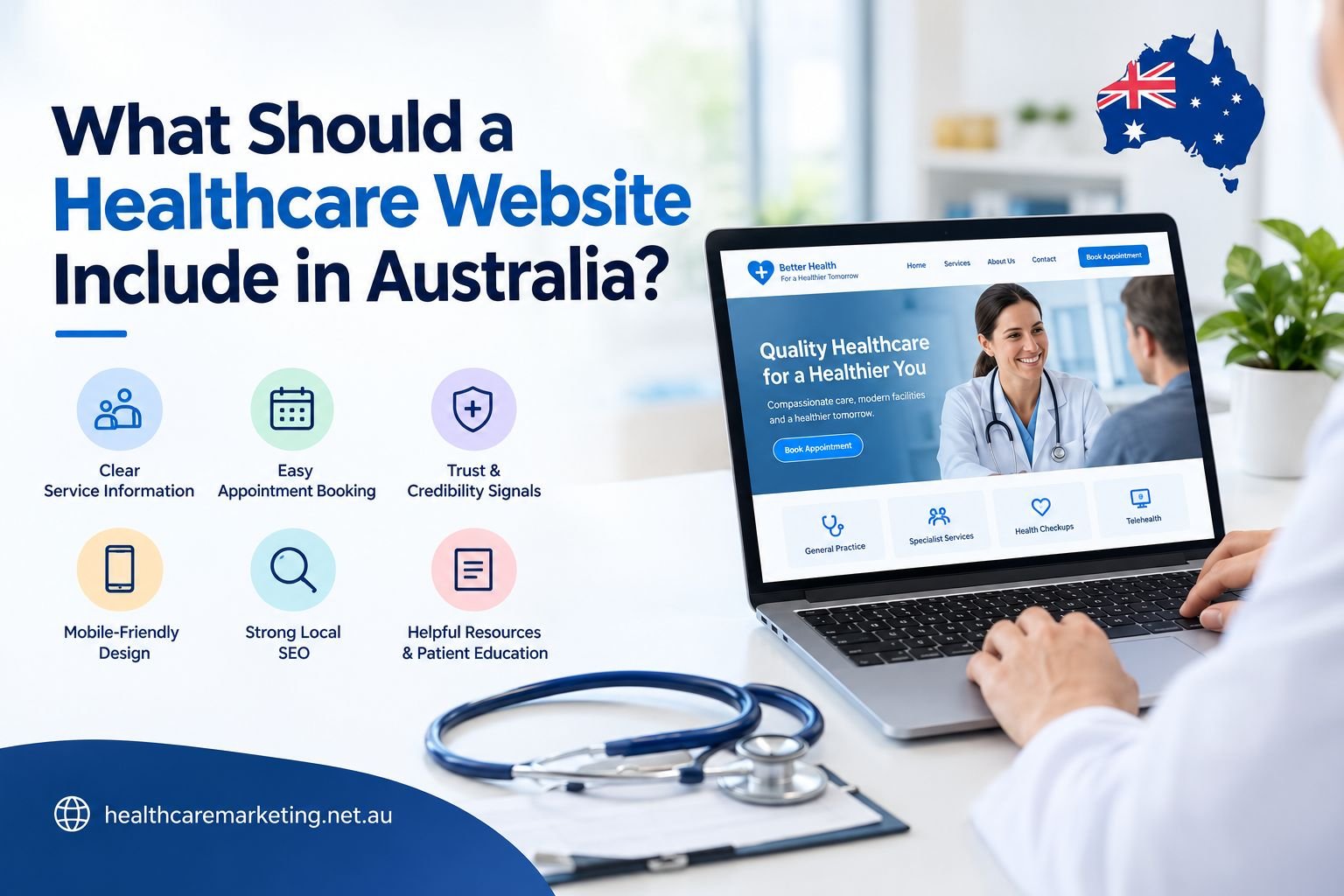
A professional healthcare website should make it easy for patients to find the information they need.
Focus on these important elements:
- Clear service pages: Explain each treatment or healthcare service in simple language.
- Mobile-friendly design: Make sure your website works well on phones and tablets.
- Easy appointment booking: Give visitors a clear way to request or book an appointment.
- Contact details: Display your phone number, address and opening hours.
- Qualified practitioner information: Share accurate details about your practitioners and their qualifications.
- Fast loading speed: Help visitors access your website without delays.
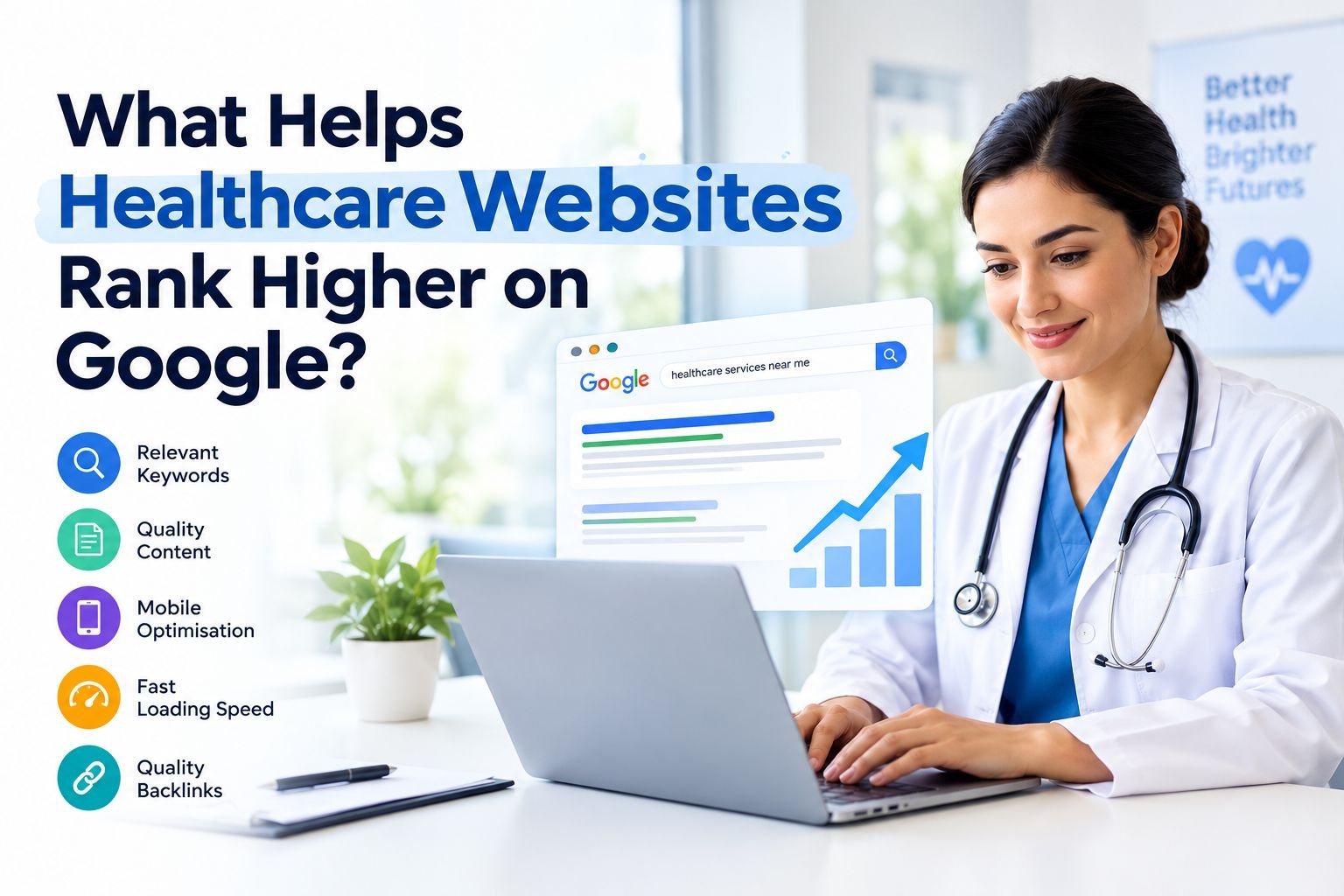
A well-planned website also supports your healthcare SEO strategy. Search engines can understand your services and website structure when you use clear headings, useful content and relevant keywords.
Know How Healthcare SEO Helps Patients Find You
Search engine optimisation (SEO) ensures that your website appears when people search for the healthcare services that you provide.
Some examples of the different searches that can be performed include searching for a dentist in Melbourne, a physiotherapist near me or a medical centre in my suburb. If your website is optimised for these types of searches, it is more likely to reach the people in your community who require your healthcare services.
SEO for healthcare includes several activities:
- Finding keywords that match your services
- Creating useful service pages and blog posts
- Improving website speed and mobile performance
- Adding relevant location-based content
- Improving your Google Business Profile
- Building a clear website structure
Local SEO also plays an important role. It helps your practice reach people in the areas you serve.
For example, a physiotherapy clinic in Sydney can create useful location pages that explain its services and the suburbs it covers. However, each page should offer real value rather than repeat the same content with a different suburb name.
SEO takes time, so do not expect your website to reach the first page overnight. Focus on useful content, a healthy website and consistent improvements.
Use Google Business Profile to Reach Local Patients
When individuals look for a doctor, dentist or medical centre near their area, Google typically shows local businesses within Search and Maps. Your Google Business Profile is the place where people can find your clinic and review details about your business before they make contact.
Make sure your profile includes:
- Correct clinic name and address
- Phone number and website link
- Updated opening hours
- List of healthcare services
- Clear photos of your clinic
Google says local search rankings depend on three main factors: relevance, distance and prominence. A complete profile helps Google understand your business and match it with suitable searches.
This makes local SEO for healthcare an important part of your marketing plan. Keep your business details up to date so patients can find the right information.
Choose the Right Digital Marketing Channels
You do not need to spend money on every marketing platform. The best choice depends on your services, target audience and goals.
Here are some channels worth considering.
Search Engine Optimisation (SEO)
SEO helps your website reach people who search for your services. It can bring relevant visitors and support long-term search visibility.
Google Ads
Google Ads for healthcare can help your clinic appear for selected search terms. For example, a dental clinic may target searches related to dental check-ups or emergency dental care.
You pay for clicks, so you need to plan your budget and choose relevant keywords.
Social Media Marketing
Social media helps you share health information, introduce your team and keep people informed about your services.
You can use Facebook and Instagram to:
- Share useful health tips
- Introduce your practitioners
- Explain your services
- Share clinic updates
- Answer common questions
Make sure your posts follow healthcare advertising rules.
Content Marketing
Patients often have questions before they book an appointment. Blog posts, service guides and FAQs can help answer these questions.
For example, a physiotherapy clinic can write about common causes of back pain or explain what happens during a first appointment.
Useful content supports your healthcare content marketing strategy and helps visitors understand your services.
Follow Healthcare Advertising Rules
Healthcare marketing needs care because it can affect people’s health decisions. Before publishing any advertisement, make sure your content follows Australian healthcare advertising rules.
AHPRA sets rules for advertising regulated health services under the National Law.
Your advertisements must not:
- Make false or misleading claims
- Promise guaranteed treatment results
- Create false expectations about treatment
- Use patient testimonials about clinical services
- Encourage people to seek care they do not need
For example, avoid claims such as “Guaranteed pain relief” or “Get perfect results with our treatment”.
Ahpra also states that patient stories and positive comments about clinical results cannot be used as testimonials in advertising for regulated health services. This rule applies to clinic websites and business social media pages.
Your marketing team should understand these rules before creating service pages, social media posts or paid advertisements.
Protect Patient Information and Privacy
Patients trust healthcare providers with their personal details. Your digital marketing work must respect that trust.
The Office of the Australian Information Commissioner (OAIC) treats health information as sensitive information under Australian privacy law.
Before using marketing tools, make sure you:
- Add a clear privacy policy to your website
- Use secure appointment forms
- Protect patient contact details
- Check how third-party tools handle patient information
- Get the required consent before sending marketing emails
The OAIC states that healthcare providers need specific consent before using health information for direct marketing. Patients can also ask to stop receiving marketing messages.
These steps help protect your patients and build trust in your practice.
Measure Your Results Before Spending More
How will you know if your marketing is working?
You need to track the results and see how people interact with your website.
Here are some key things to measure:
- Website traffic: How many people visit your website?
- Keyword rankings: Are your pages appearing for relevant searches?
- Patient enquiries: How many people contact your clinic?
- Phone calls: Are visitors calling after finding your website?
- Booking requests: How many visitors take the next step?
You can use Google Analytics 4 and Google Search Console to check website traffic and search performance.
Review these results each month. If a service page gets visitors but few enquiries, look at its content, contact details and booking process.
The aim is not just to bring more people to your website. It is to help the right people find your services and contact your practice.
Grow Your Healthcare Practice with the Right Digital Marketing Strategy
Running a healthcare practice takes time, care and effort. You want to focus on your patients, but people also need to find your services when they search online.
The right digital marketing for healthcare providers can help you improve your Google visibility, reach local patients and build a strong online presence.
At HealthCare Marketing, we help healthcare providers improve their online presence through SEO, website design, local SEO, content marketing and paid advertising. We focus on your business goals and create a plan that suits your services, audience and budget.
Whether you run a medical centre, dental clinic or allied health practice, we can help you take the next step.
Contact HealthCare Marketing today to discuss your goals and find the right digital marketing solution for your healthcare practice.
Frequently Asked Questions
Why is digital marketing important for healthcare providers?
Digital marketing helps healthcare providers reach local patients, improve Google visibility, share useful health information and attract more appointment enquiries through online channels.
How much does healthcare digital marketing cost in Australia?
Healthcare digital marketing in Australia can cost A$1,200 to A$8,000 per month, depending on services, competition, business size and marketing goals.
How long does healthcare SEO take to show results?
Healthcare SEO can take three to six months or longer to show progress. Results depend on competition, website condition, content quality and ongoing work.
Which digital marketing channels work best for healthcare providers?
SEO, Google Ads, local SEO, social media and content marketing can help healthcare providers reach patients, improve online visibility and generate relevant enquiries.